 11.29.2025
Traditional design review processes, often with sequential approvals and fragmented communication, frequently introduce significant delays and inefficiencies into product development. These methods lead to overlooked feedback, misinterpretations, and costly rework, especially in complex engineering. Reliance on static documents hinders synchronous collaboration, extending time-to-market.
The need for a more dynamic, integrated approach to design validation is clear. As engineering projects grow in complexity, involving global teams, a unified platform for real-time contribution, review, and approval is vital. Disjointed communication and lack of centralized information often result in errors expensive to correct later.
Technological advancements offer a promising path to overcome these challenges. Modern digital tools transform design reviews from cumbersome checkpoints into agile, continuous feedback loops. Such tools facilitate greater transparency, allowing engineers and designers to interact with designs in a rich, interactive environment, enhancing accuracy and quality.
Reimagining design reviews means moving beyond simple document sharing to a holistic, interactive experience. This empowers teams to identify issues earlier, iterate rapidly, and make informed decisions based on comprehensive input. The goal is intuitive collaboration, actionable feedback, and transparent design evolution, accelerating product excellence.
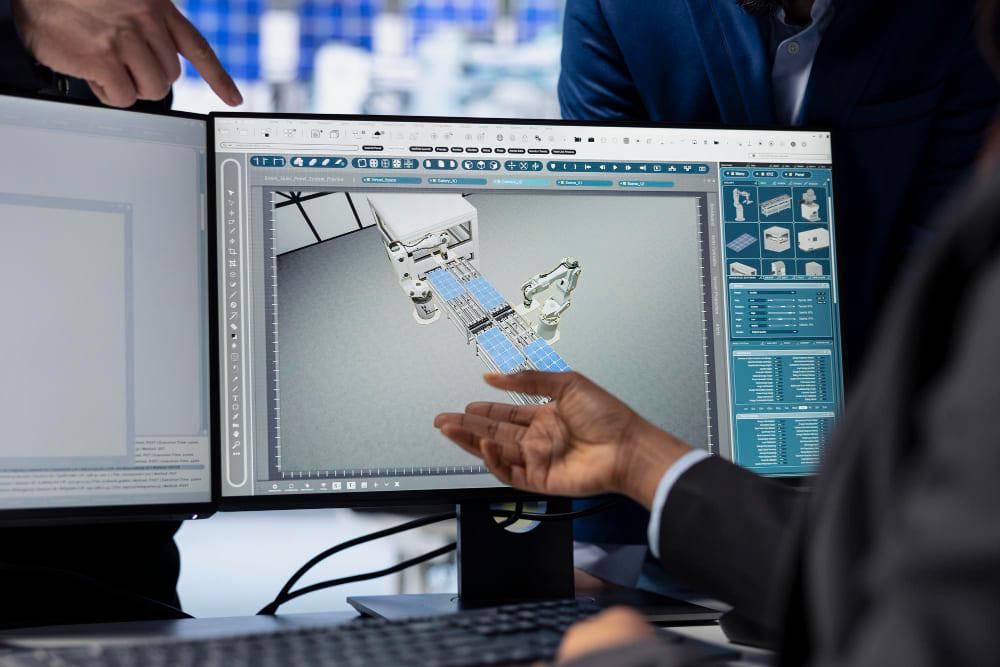
Modern engineering demands a platform that transcends geographical barriers and departmental silos, enabling seamless collaboration among all project stakeholders. A centralized, cloud-based environment like CADossier allows teams to access and interact with design models from anywhere, anytime. This fosters a concurrent review process, with real-time feedback and immediate issue resolution. It eliminates delays from sequential reviews, ensuring all perspectives are considered early, leading to robust products. Interactive 3D model reviews, direct annotations, and threaded discussions transform passive observation into active participation. Effective collaboration is key.
Effective design reviews require systematic feedback and iteration management. A modern platform like CADossier centralizes comments, annotations, and decisions within the design context, establishing a single source of truth. This eliminates confusion from scattered communications. Robust version control tracks every design iteration, allowing teams to revert, compare changes, and maintain a clear audit trail. This enhances accountability.
Advanced design review platforms, such as CADossier, offer data-driven insights. Analyzing review cycles, feedback patterns, and iteration histories helps identify bottlenecks and recurring design challenges. This transforms reactive problem-solving into proactive improvement, enabling teams to refine methodologies. Such insights empower decision-makers with data for strategic choices, fostering continuous improvement.
Reimagining design reviews is crucial. Platforms enhancing collaboration, streamlining feedback, and providing data-driven insights reduce development cycles and errors. This makes design validation agile, integrated, and fosters innovation.
This shift to a unified digital ecosystem empowers faster, informed decisions. It cultivates transparency and continuous improvement, with stakeholders contributing from concept to product. Such advancements are critical for competitiveness.
Investing in advanced review capabilities secures future product excellence and efficiency. It accelerates innovation, enhances quality, and strengthens market position. The future of engineering design is collaborative, insightful, and efficient.




Jace Fisher
13.01.2025 , at 03:00 pmThis article clearly outlines the challenges and benefits of modern design reviews. It's a well-structured piece that highlights the importance of collaboration in today's engineering landscape.
Lola Hamilton
11.05.2025 , at 01:00 pmThank you for your feedback! We believe that fostering collaboration is indeed crucial for driving innovation and efficiency in engineering design.
Scarlett Shaw
13.01.2025 , at 03:00 pmI appreciate the emphasis on data-driven insights. Understanding bottlenecks through analytics is a game-changer for process optimization.
Kevin Morales
11.05.2025 , at 01:00 pmWe agree completely. Data-driven insights transform reactive problem-solving into proactive improvement, leading to more robust design methodologies.